
Frequently Asked Questions
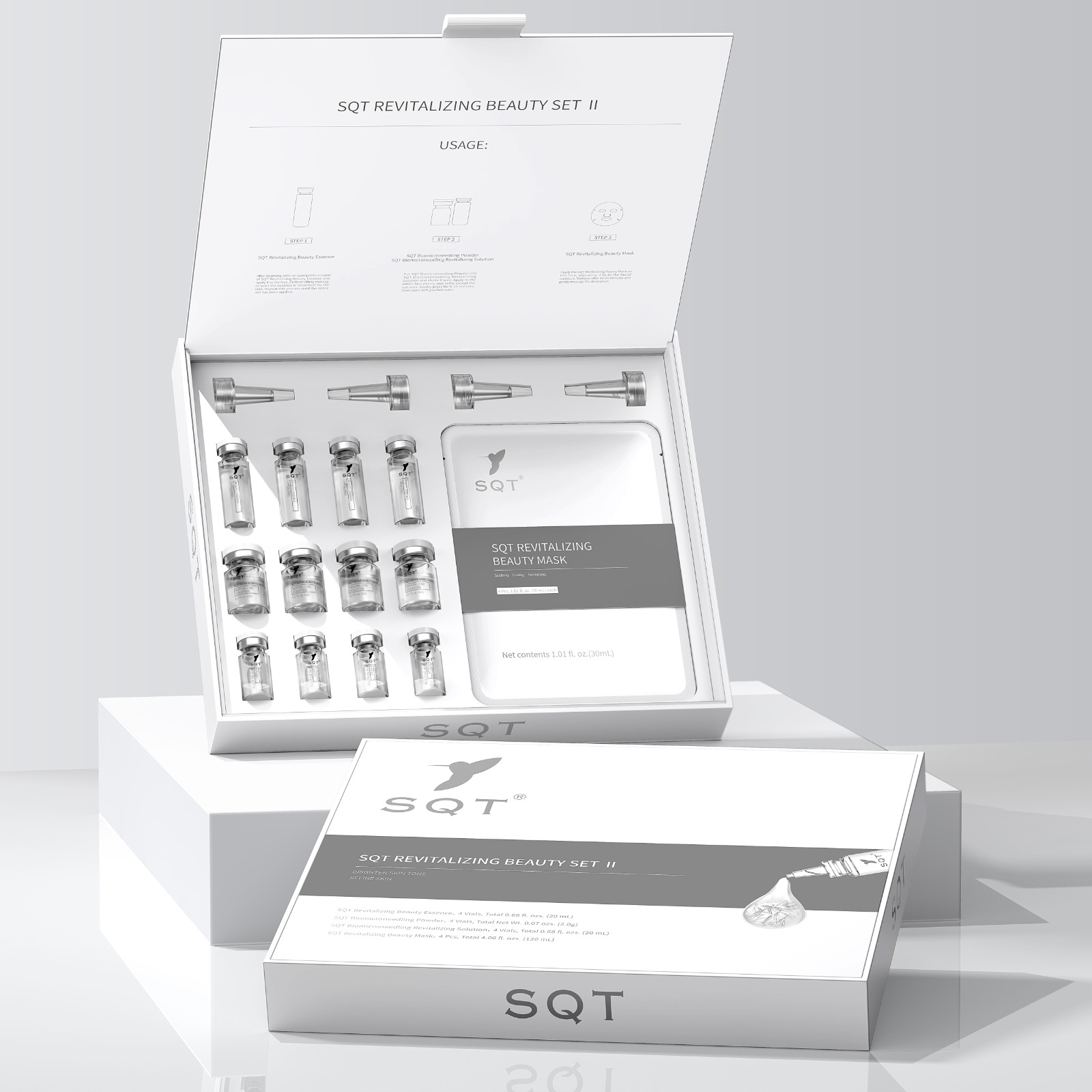
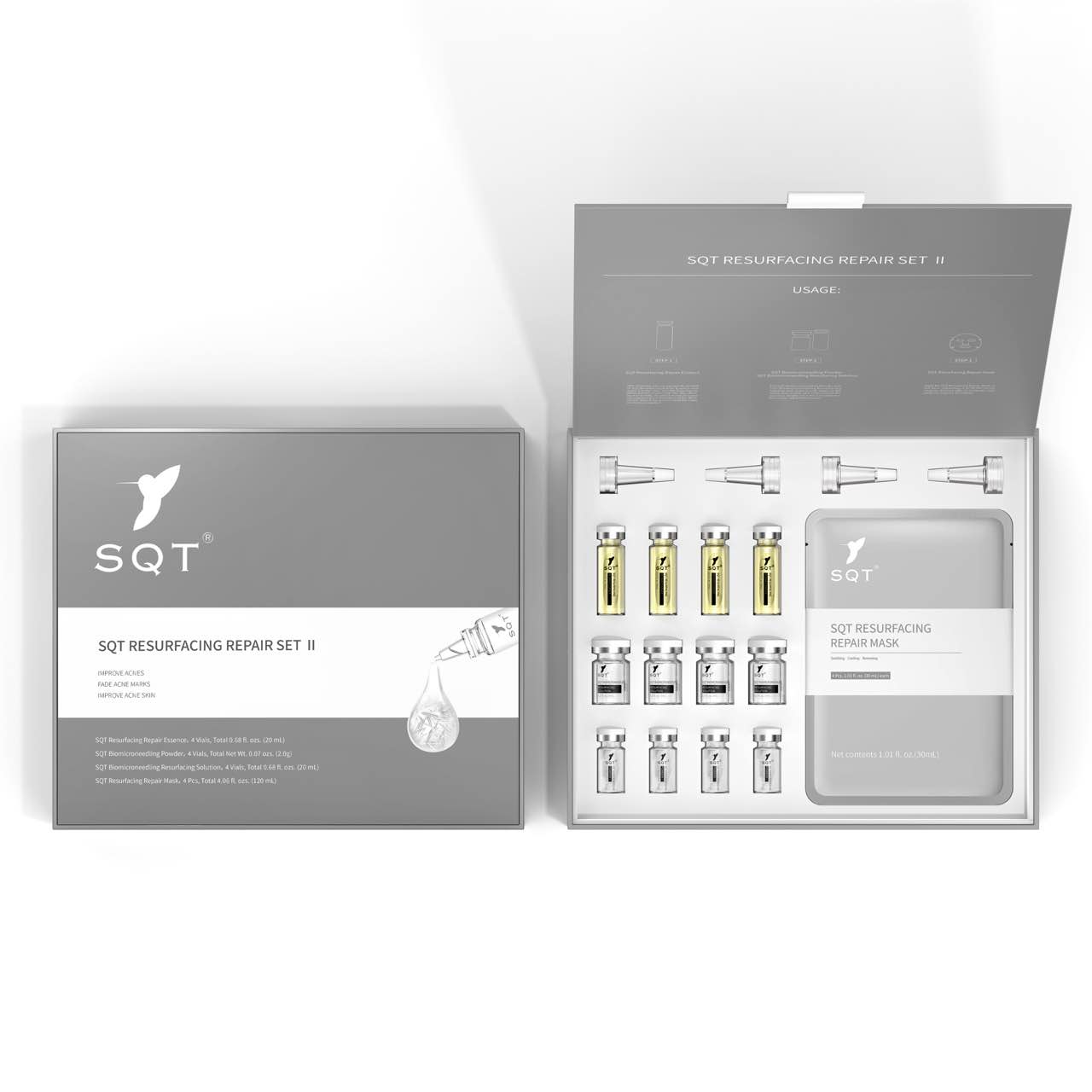
SQT® Bio Microneedling uses spongilla spicules — microscopic, naturally occurring silica structures found in the skeleton of the freshwater sponge. To the naked eye they appear as a fine powder. Viewed under a microscope, they are revealed as fine, sharp, rod-shaped crystals.
During your treatment these spicules are massaged into the surface of the skin by hand. Rather than a device creating channels mechanically, the spicules themselves work within the upper layers of the skin, encouraging natural exfoliation and prompting the skin’s own renewal and collagen-building response.
Because the treatment is delivered by hand, there are no needles involved, no anaesthetic is required and there is no bleeding.
Millions of microscopic spicules are worked into the skin during a short application phase. They create countless tiny micro-channels across the treatment area, which stimulate the skin’s natural repair response and support the production of collagen and elastin — the proteins responsible for firmness, resilience and a smooth surface.
Unlike a device-based treatment that finishes the moment the handpiece is set down, the spicules remain within the upper layers of the skin and continue to stimulate for a period after your appointment, before shedding naturally with the outer layer of skin. This is what produces the characteristic renewal phase in the days that follow, and it is a normal and expected part of how the treatment works.
Refines texture and clarity: Encourages the natural shedding of dull, congested surface cells, leaving the skin feeling smoother and looking brighter.
Supports collagen and elastin: Stimulates the skin’s natural repair pathways, which underpin firmness and a more youthful surface quality.
Softens the appearance of scarring: May help to improve the look of superficial acne scarring and other shallow textural irregularities over a course of treatments.
Assists with congestion and pore appearance: Helps to release congestion and can improve the appearance of enlarged pores.
More even-looking tone: May help to improve the appearance of uneven tone and superficial pigmentation.
Enhances product absorption: The micro-channels created during treatment allow serums and appropriate post-treatment skincare to work more effectively.
No needles, heat or light energy: Because the treatment relies on neither thermal nor light-based energy, it can be considered across a broad range of skin tones. Suitability is always confirmed at consultation.
Both treatments work with the same underlying principle — encouraging the skin’s own renewal and collagen response — but they get there differently, and they suit different people at different times.
Traditional microneedling uses a device with fine needles at a controlled depth, and typically produces redness that settles over 24 to 48 hours. SQT® Bio Microneedling is applied by hand across the skin surface, requires no needles and no numbing, and instead involves a more pronounced renewal phase over several days, with tingling, flushing and visible flaking.
Neither treatment replaces the other. At your consultation our Registered Nurse will assess your skin, discuss your concerns and your timing, and recommend the approach best suited to you — which may be one, the other, or a combination across a treatment plan.
This treatment may be well suited to you if you are looking to address:
- Rough, uneven or congested skin texture
- Dullness and a lack of clarity or radiance
- Enlarged-looking pores and blackheads
- Superficial acne scarring and shallow textural irregularities
- Fine lines and early signs of collagen decline
- Uneven-looking tone and superficial pigmentation
SQT® Bio Microneedling is not appropriate for everyone. It may not be suitable — or may require clearance from your GP — if you have active or inflamed acne, rosacea or highly reactive skin, active eczema, dermatitis or psoriasis in the treatment area, a compromised skin barrier or broken skin, a known sensitivity to silica, or if you are pregnant or breastfeeding. Recent isotretinoin use, or recent peels, laser or injectable treatments in the area, will also need to be discussed.
A full medical history is completed at your initial consultation so that our Registered Nurse can confirm whether this treatment is right for you. Some of the above will not automatically rule you out; in certain cases written clearance from your GP is all that is required.
Before your appointment: Your treatment begins with a consultation and a full medical history, where we assess your skin, discuss your goals and confirm your suitability. You will be given pre-treatment advice, including which actives to pause beforehand.
During your treatment: Your skin is thoroughly cleansed and prepared. The spicules are then applied and massaged into the skin — the application itself takes only a few minutes, and you should allow a good hour for the full appointment. Warmth, tingling and a prickling sensation are normal and typically build during and shortly after application. No numbing is required.
After your treatment: Expect warmth, flushing, a feeling of tightness and a slightly rough, sandpaper-like texture over the first 24 to 48 hours. Tingling and itching are common in the first few days. Flaking or peeling generally begins around day three and settles within five to seven days, though this varies depending on your skin and the depth of application.
It is important not to pick or pull at flaking skin. You will be sent home with written aftercare instructions and guidance on the appropriate post-treatment products to support your skin through the renewal phase. Diligent sun protection is essential throughout.
Because of the visible renewal phase, we recommend allowing at least two weeks between your treatment and any significant event. While the flaking itself generally settles within five to seven days, the additional time allows your skin to fully settle and regain its normal tone and calm, so you are seeing the treatment at its best rather than mid-way through it.
For most concerns, an initial course of three to four treatments spaced approximately four weeks apart is recommended, followed by maintenance treatments as advised. Your individual plan will be tailored to your skin and your goals at consultation. As with all skin treatments, individual results vary.